
Spotlight on Cat Health at the WVC
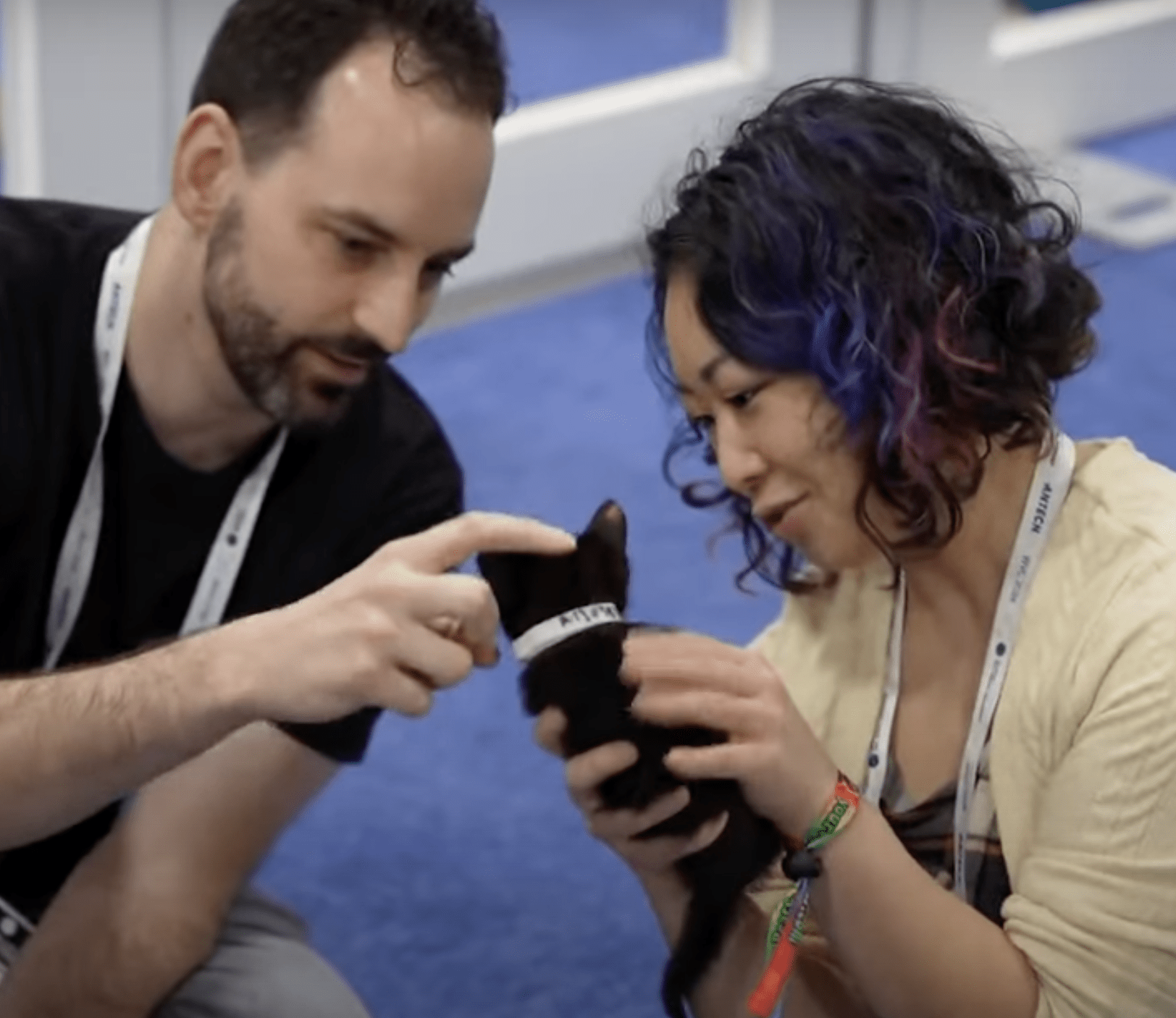
Team CatCon works year-round to bring the best of the best experiences and workshops to our annual event. We spend A LOT of time behind the scenes sourcing the latest in information, technology and education for your beloved felines – information that we pass on to you via our blog, our social, and CatCon weekend! So naturally we couldn’t miss the chance to attend the Western Vet Conference (WVC) in Vegas.
Photo credit above: Instagram/@viticusgroup_animalhealth
Innovation in the small animal space is progressing rapidly, as is demand for more learning opportunities for veterinary professionals. So much so, Viticus Group WVC Vegas announced that they will be expanding to Nashville next year.
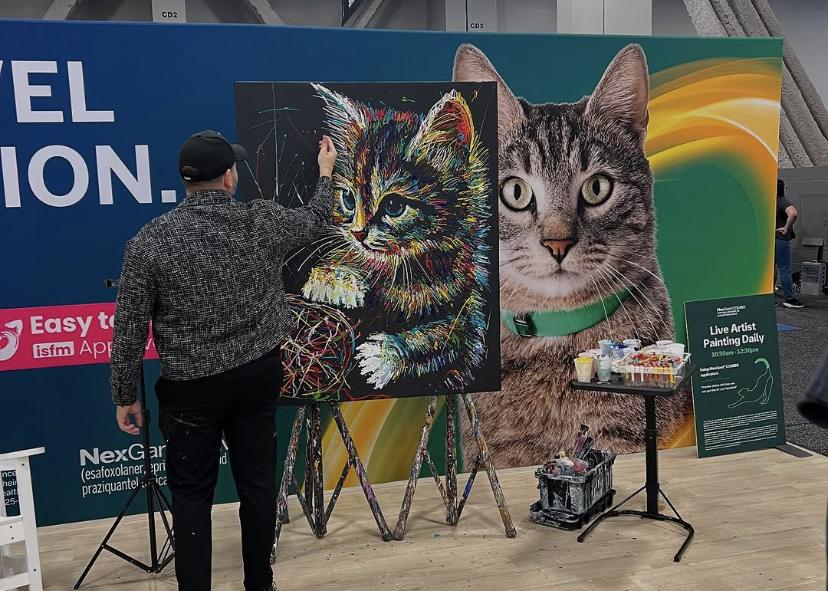
at WVC
More Hands-On Vet Training
Says Viticus Group Chief Veterinary Medical Officer, Dr. Anthony Pease, “Our hands-on training facilities had more than 1,300 veterinary professionals engage in training during the annual conference, as well as our year-round training courses being sold-out is a major reason for our expansion into Nashville. Investing in veterinary professions to help better serve pet parents, I believe, will be at the forefront of 2025 and part of that investment and innovation will be in time-saving measures like AI. I feel that the overall goal and our focus on innovation is to reduce burnout and build confidence in veterinary professionals, something Viticus Group is uniquely positioned to provide.”
While vets are expanding their knowledge, their clients want to know more about what is going on with their pets’ treatment.
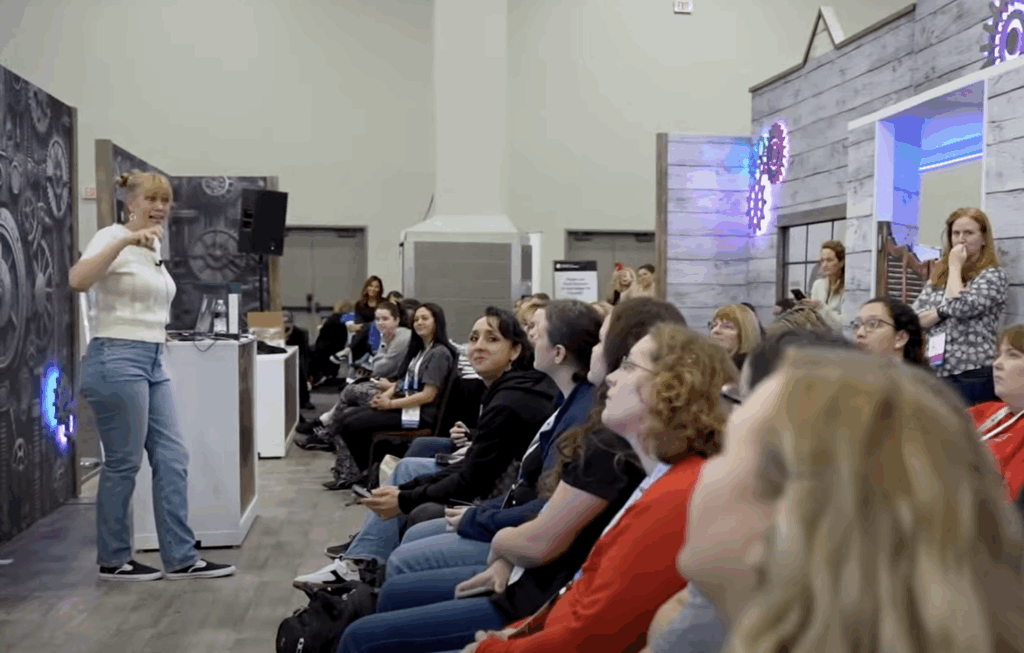
Pet Parents Want to Be Informed
Pet parents have an opportunity to be even more involved in their pets’ care but according to Pease, patience is key. “In the human medical field, we generally go to a doctor and wait weeks for procedures and test results. In the veterinary field, pet parents have an expectation that we can see a pet family member on the same day and in 30 minutes you will leave with medication to make them better. Your pets cannot tell us where it hurts, so we need to run tests to make sure we are providing the best care for your pets and referring to specialists, just like in the human health field.”
With clients’ desire for more information comes the need for more staff. “Millennials expect to interact with their veterinarian on a more equal footing, to have diseases and their effects on pet-well being explained to them, to be involved in treatment decisions for their dog or cat,” says Saskia Kley of Boehringer Ingelheim. “In previous generations, the need to understand why veterinarians prescribed certain treatments over others was less marked. It simply wasn’t as common to question the decisions of authority figures as it is today. Millennial pet owners truly want to be engaged and informed.
“This changes the veterinary profession; communication skills become increasingly important. We have seen a significant increase in individual and group practices requesting hands-on education to help boost confidence and skills. There has also been an increased focus on people wanting to come back together in a conference setting, but they are looking for more experiential learning and value-add offerings than in the past.”
Empathy for the Feline Patient
When Team CatCon was another vet conference recently there was a lot of talk about how vets need to prepare and reshape their practices to attract and retain feline patients. However, we all know cats don’t frequent the vet as often as dogs for a number of reasons. How will we solve this problem from both sides of the examination table?
Dr. Pease weighed in: “As a fellow cat owner, I agree that cat adoption worldwide is on the rise. In the United States, our veterinary schools do an amazing job addressing this shift, and we find that new graduates are very empathetic to the feline patient.
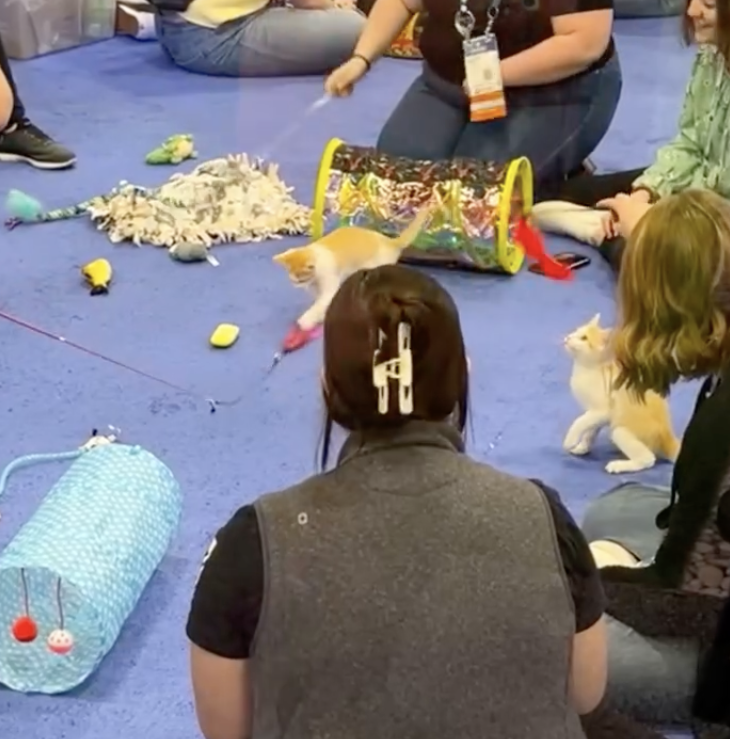
“Veterinary clinics have adopted two different entrances for cats and dogs, and I believe FearFree training is at the forefront of this and makes training available both online and in-person. The hardest part about cats is that they are very good at hiding their symptoms so if pet parents could bring their cats in for more routine checks, we can catch and treat diseases earlier.”
With more training and information resources, along with innovations in technology, the next generation of veterinary professionals is more prepared than ever to help our feline family members live long and healthy lives. We’re looking forward to bringing you some of these experts at CatCon this August!
Join us for the biggest cat-centric, pop culture event in the world dedicated to all things feline!
CATCON 2026
October 10 & 11, Pasadena, CA