
CatCon Goes to VMX 2026
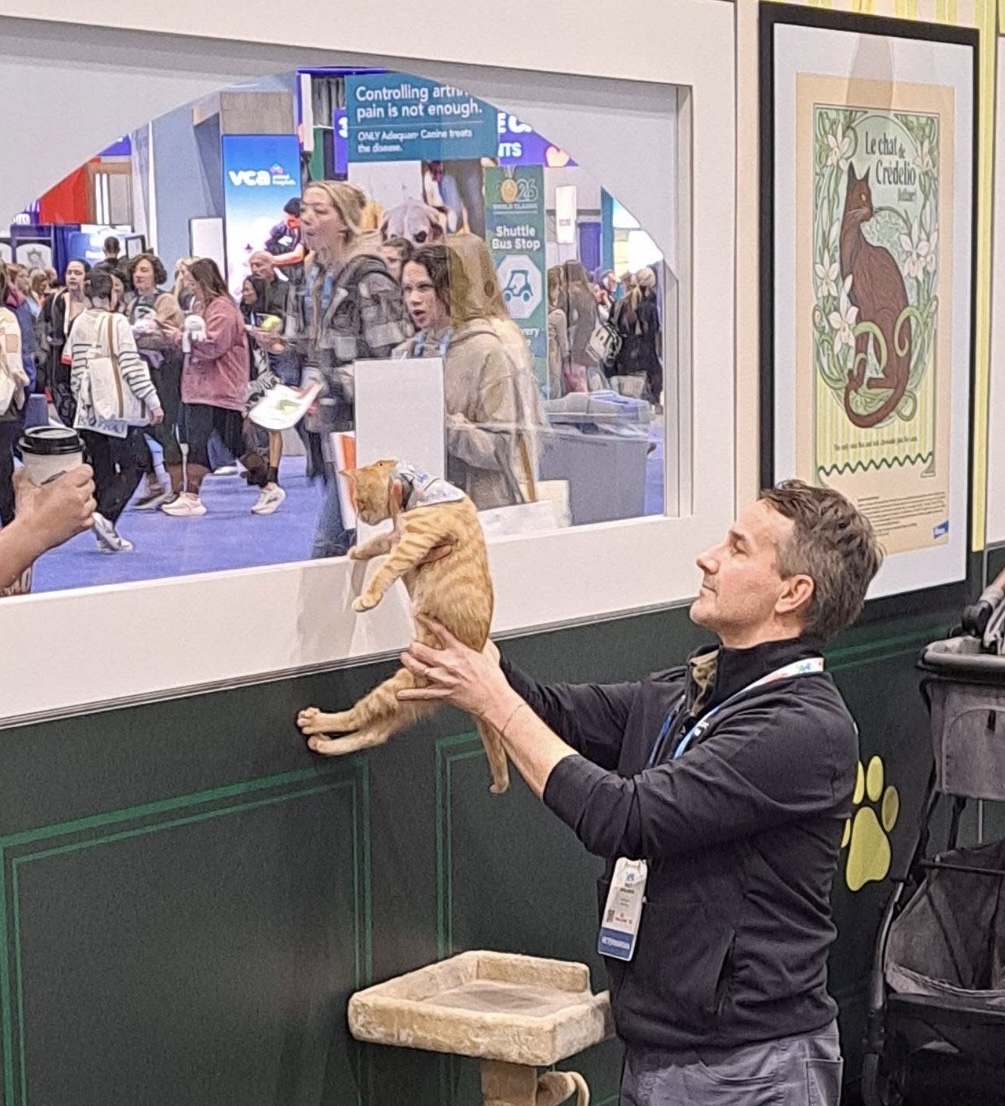
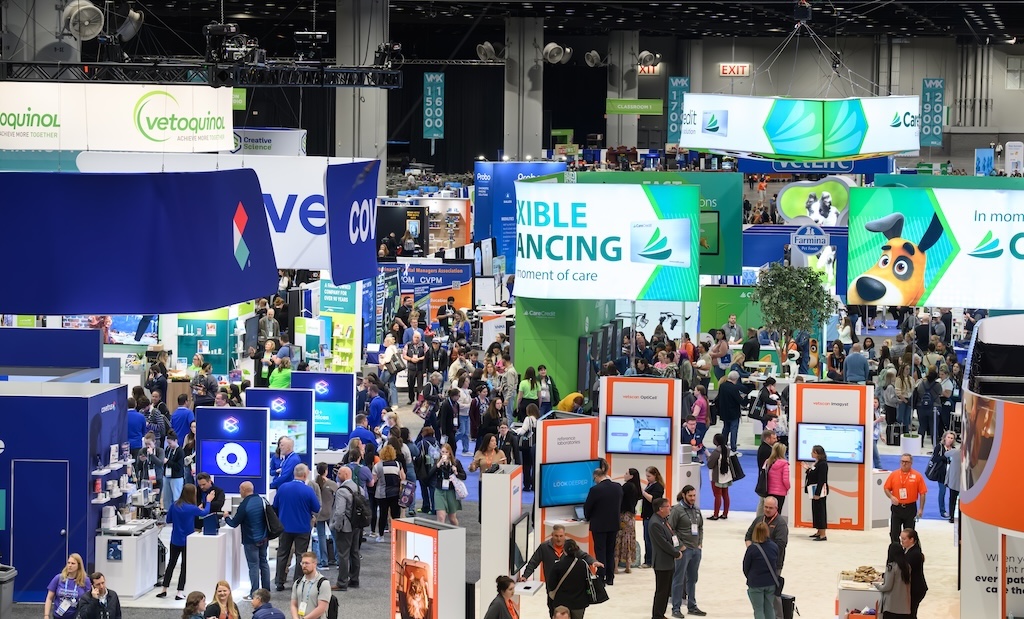
For the second year in a row, Team CatCon attended VMX in Orlando, Florida. It’s the biggest veterinary conference in America with over 28,500 veterinary professionals and hundreds of brands coming together to learn how to provide the best in care and service for our beloved animals.
Photo above: VMX Cat Nap Cafe, sponsored by Elanco courtesy Matt McGlasson
Even John Travolta made an appearance, talking about his life and career, and how animals have improved his life. (At one point, he and his family had 16 cats!)

We had a chance to catch up with a couple of cat-centric experts, Bruce Truman and Dr. Matt McGlasson, to discuss what they saw at VMX and the impact it will have on the future of veterinary services, and consumers alike.

CatCon: Your lecture at VMX this year with Dr. Jules Benson started out again with your mentioning the ‘Decade of The Cat’ and the rise in the number of felines headed to the vet. Can you go into more detail on that topic?
Bruce Truman: Multiple data sources now confirm that both cat ownership and feline veterinary visits are increasing.
The CATalyst Council reports that cats now account for 23% of all veterinary clinical visits, the highest proportion ever recorded. In Q3 2025, feline visits increased by 2%, outpacing all-species visit growth for the third consecutive year. Both wellness and non-wellness feline visits are rising, indicating sustained engagement rather than episodic care.
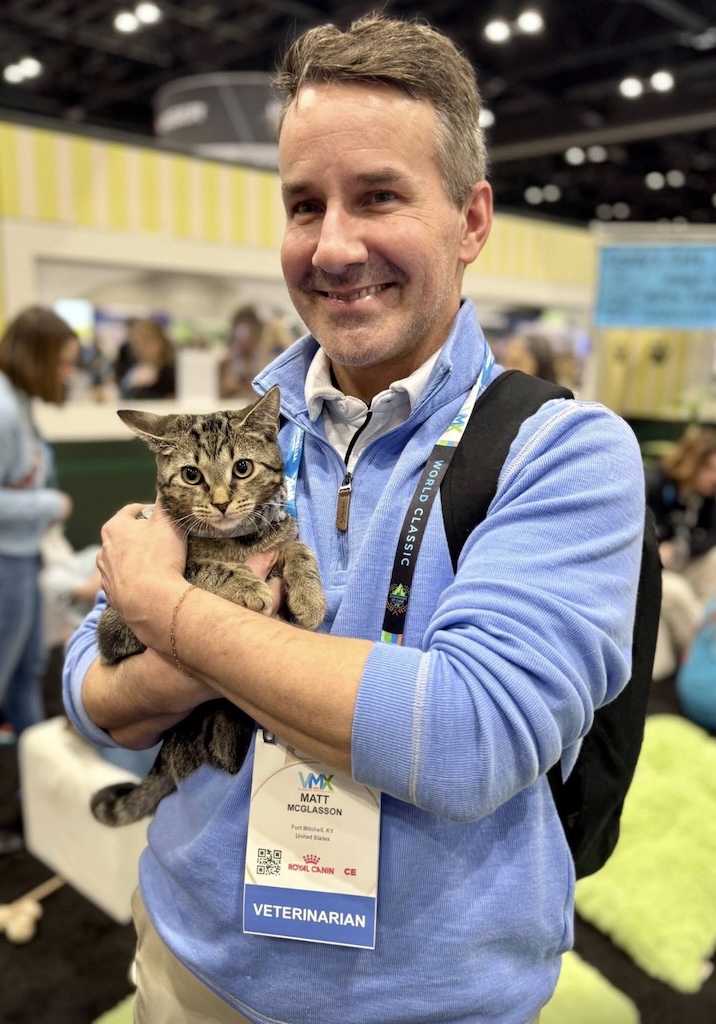
Photo: Matt McGlasson
Matt McGlasson: People are finally starting to realize the importance of those wellness checks! Be proactive and not reactive. Cats are so good at hiding signs of illness and pain.There are some great studies showing the increase in cat visits to the vet as well as the number of cats getting adopted. While this is encouraging, we still have a long way to go!
Bottom line: Feline care is no longer a niche. It is increasingly acting as a stabilizing force for practices navigating utilization pressure, inflation, and workforce strain.
Team CatCon: What were some of the highlights you saw in the cat space at VMX?
Bruce Truman: At VMX, several themes in the feline space stood out.
One clear focus was stress-reduction and environment design for cats, including cat-specific housing and clinic flow solutions such as cat condos and feline-forward exam environments. These designs align with growing evidence that reduced stress improves feline compliance and visit frequency.
Another notable area was diagnostic advancement, including in-house tools for earlier disease detection in cats. Examples include rapid feline dental assessment tools and expanded use of SDMA testing for early kidney disease monitoring. These innovations support earlier intervention and better long-term outcomes in a species historically underdiagnosed for chronic disease.
Overall, VMX reinforced that feline innovation is increasingly intentional and practical, focused on improving outcomes while fitting into real-world clinic workflows.
Team CatCon: What should consumers be on the lookout for in terms of innovation for felines (and pets in general) in 2026?
Bruce Truman: There are several innovation themes emerging that consumers and practices alike should expect to see accelerate.
Platforms and Workflow Enablement
Pet insurance integration, e-prescribing, global pet travel platforms, and technology that reduces administrative burden will continue to expand. The emphasis is shifting away from “more tools” and toward better integration, particularly in pharmacy, insurance, and client communication workflows. CATalyst Council and industry analyses consistently note that workflow friction, not lack of technology, is the limiting factor in adoption.
The Veterinary Team Is Expanding
Care delivery is no longer centered solely on the veterinarian. Mid-level practitioners, client experience roles, and financial care counselors are becoming more common as practices respond to burnout, access challenges, and affordability pressure. These roles help practices maintain care standards while expanding capacity.
Practice Models Are Diversifying
Independent practices are strengthening, and new ownership and care models are emerging:
● Feline-only or feline-forward practices
● Mobile and in-home care models
● Specialty-focused practices (senior care, oncology, cardiology)
● Hybrid telemedicine combined with in-clinic care
These models reflect both changing consumer expectations and the need for flexibility in care delivery.
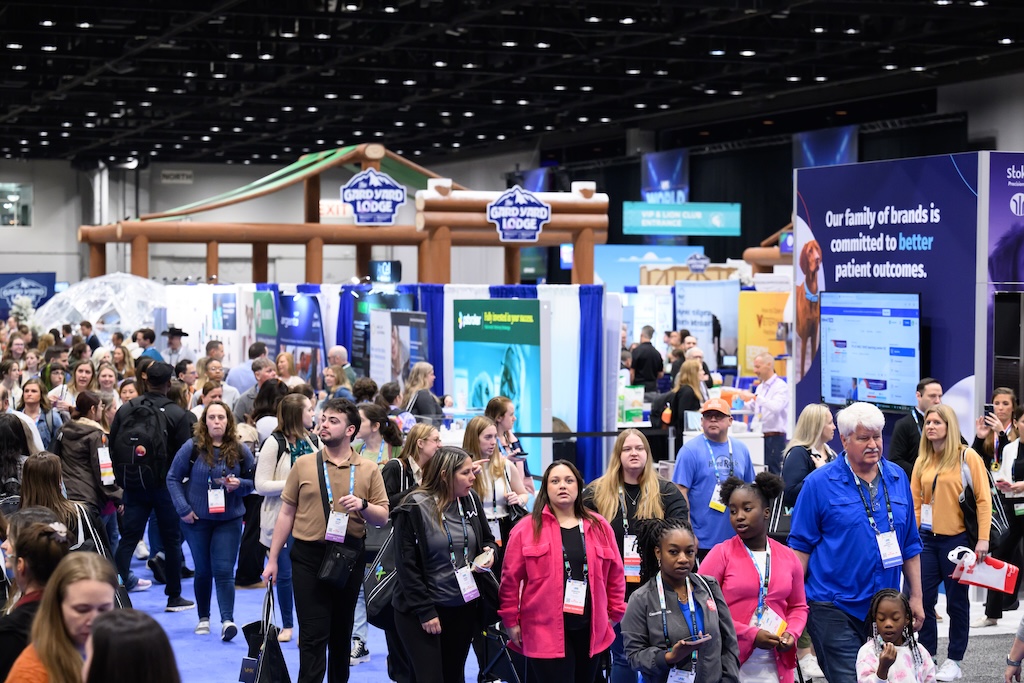
All in all? This is good news for us cat parents!
Across everything we’re seeing – from how practices are organized to how often people bring their cats to the vet – one pattern is clear: cats are having a greater influence on veterinary care.
Practices that center feline health, rather than as an afterthought to dogs, will be better positioned to meet the realities of modern cat ownership in 2026 and beyond!